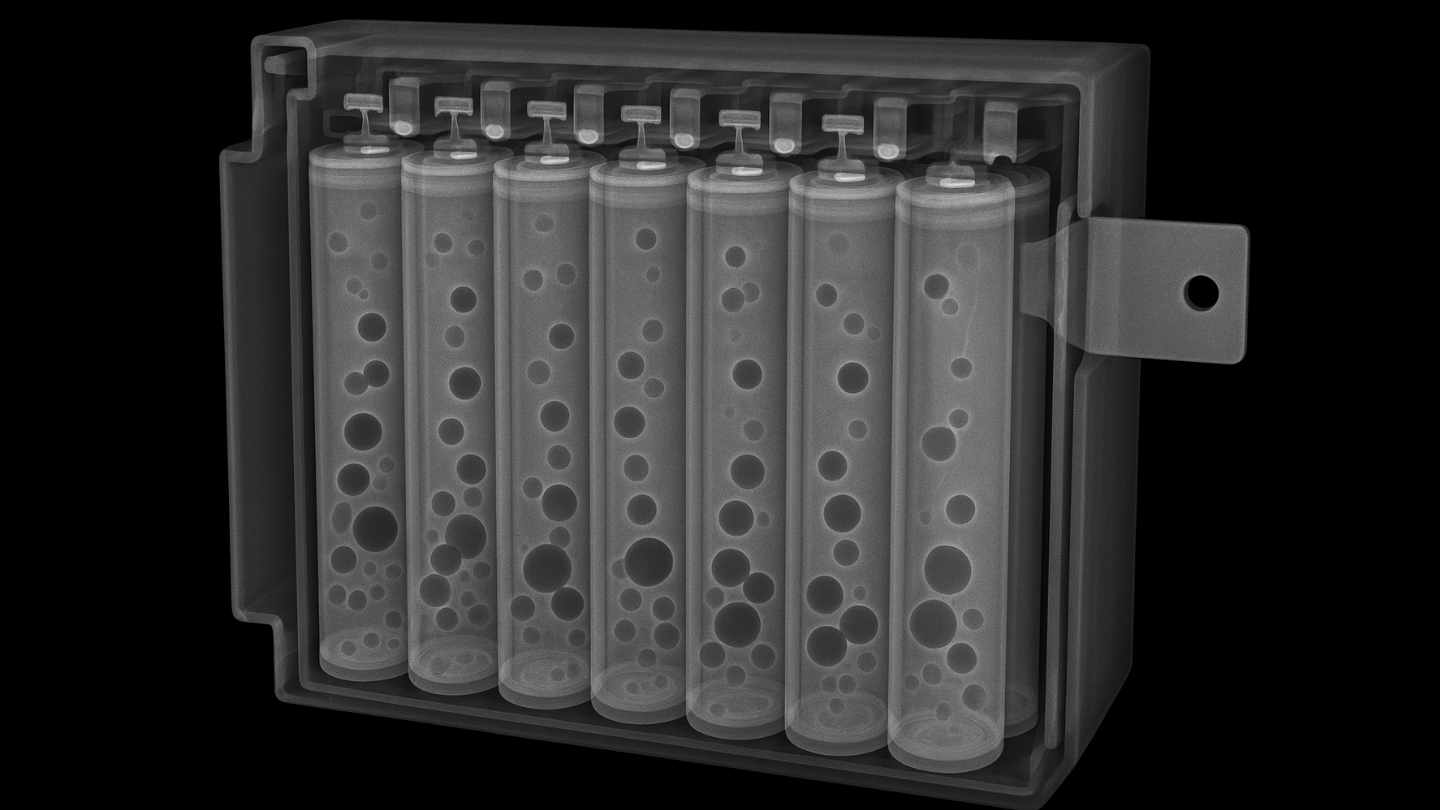
Identify Hidden Battery Defects Before They Become Costly Failures

Stop Battery Failures Before They Hit Market

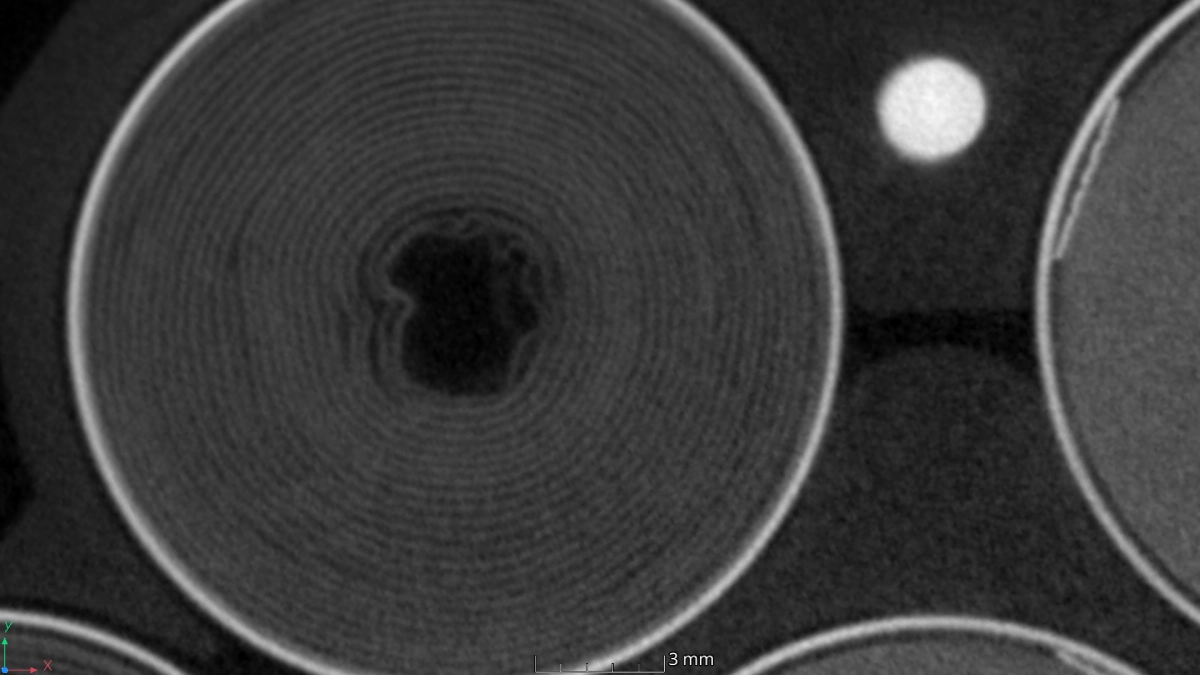
Most battery problems begin below the cell surface before swelling, overheating, power loss, or breakdowns reveal themselves.
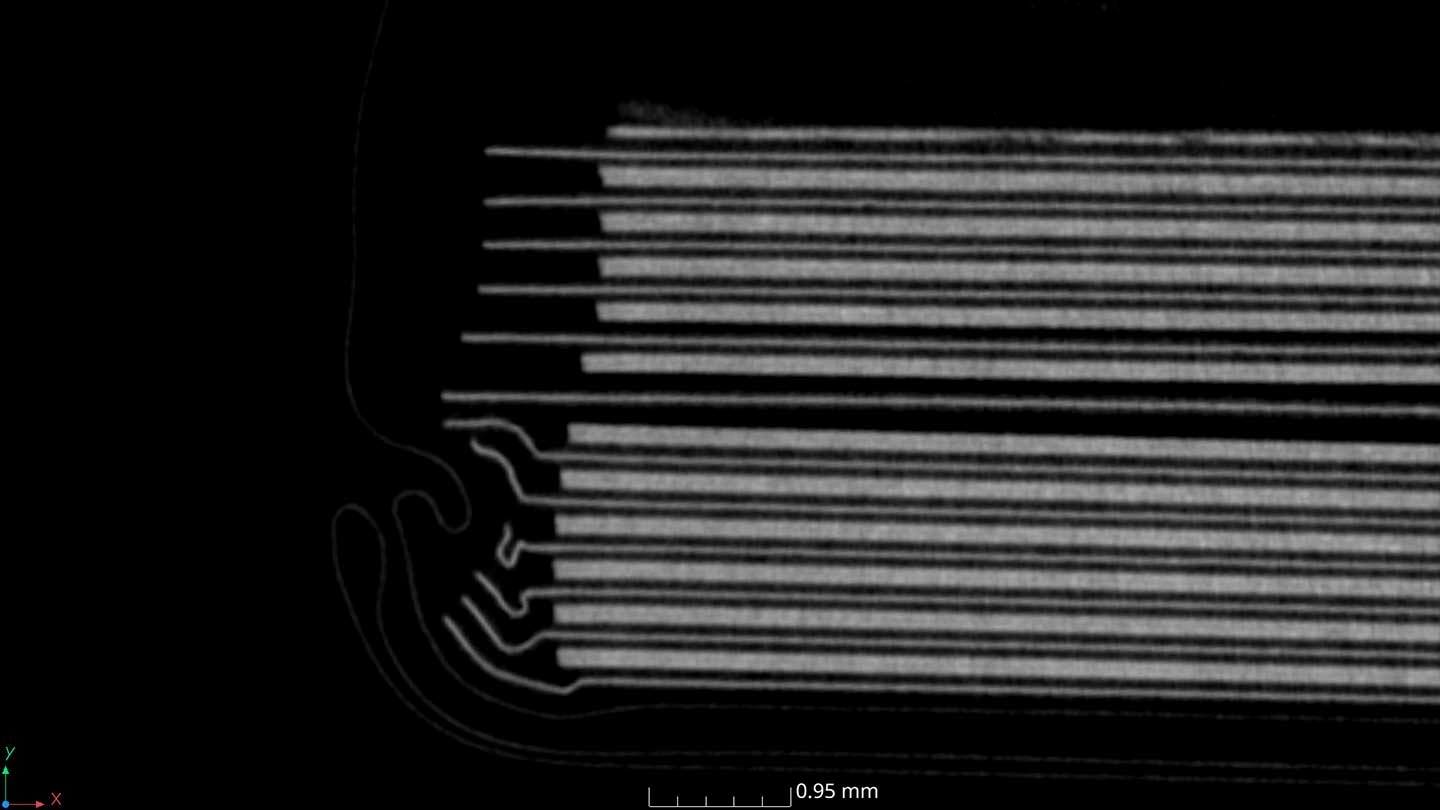
What can lurk inside:

  • tiny voids
  • misaligned electrodes
  • debris
  • bent or folded separators
  • cracked welds
  • early-stage dendrites
  • uneven electrolytes

Reliability and performance are threatened long before a battery fails in the real world.

With CT scanning, battery manufacturers get a huge advantage.

  • Track down issues fast
  • Make sure designs match the plan
  • Reduce costly warranty claims
  • Build batteries that last longer

Sharper insight leads to smarter decisions and better results.

TALK TO A CT EXPERT
What Battery Defects do You Need to Detect?
Thank you! Your submission has been received!
Oops! Something went wrong while submitting the form.

Find Defects — No Destruction Required

Traditional inspection methods are not sufficient for battery inspections. Surface checks miss the real culprits behind battery failures. Industrial CT scanning changes the game. It captures a true 3D view of everything inside the battery while everything stays intact. Every electrode, layer, and interface can be interrogated. 
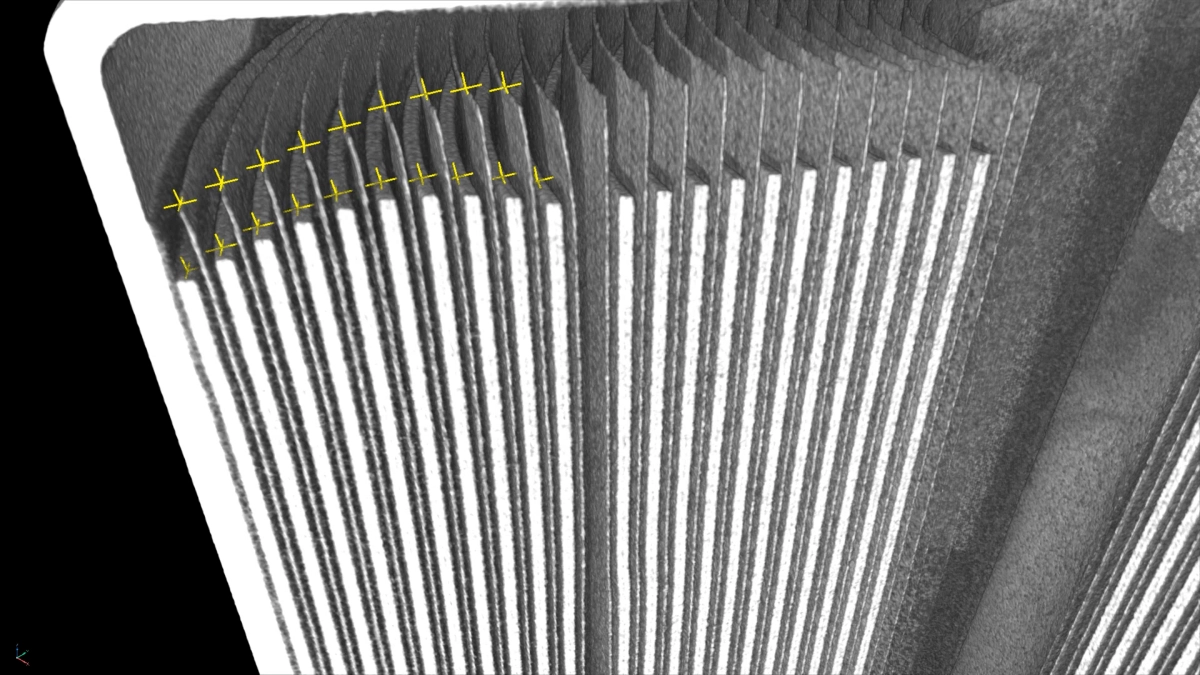
That matters during failure investigations. Destructive teardown can eliminate critical evidence before engineering teams fully understand what caused the problem. This allows engineers to inspect internal structures layer by layer while preserving the component for additional testing or validation.

Industrial CT scanning systems can evaluate:

  • Lithium-ion battery cells
  • Solid-state batteries
  • Sodium-ion batteries
  • Next-generation energy storage cells
  • Cylindrical batteries
  • Pouch cells
  • Prismatic cells
  • Battery packs and modules
  • Welded interconnects
  • Busbars and terminals
  • Consumer electronic batteries
  • EV battery components
  • Additively manufactured battery structures
  • Battery management system assemblies
  • Prismatic cells
  • Encapsulated electronic assemblies

Using high-resolution CT scanning, engineers can visualize internal conditions that are otherwise inaccessible through conventional metrology methods.

Identify Root Causes Faster with High-Resolution Internal Analysis

Many battery-related failures are not caused by a single defect, and therefore, the analysis is not limited to just one category.

Failures develop gradually through manufacturing variation, charging cycles, vibration, thermal stress, material fatigue, environmental exposure, or assembly inconsistencies that compound over time.

Internal Voids and Porosity

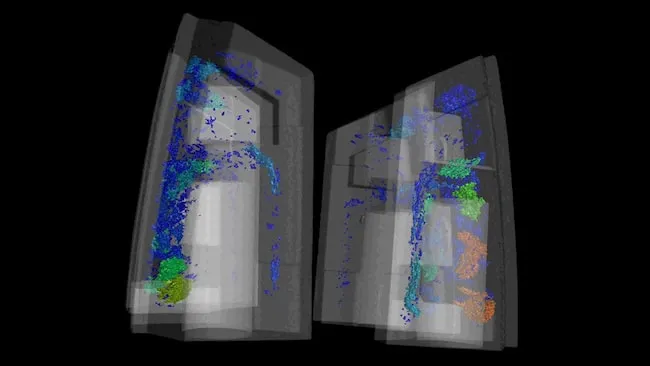
Voids within materials, welds, or interfaces can impact conductivity, heat transfer, and structural integrity. Industrial CT scanning allows engineers to identify and quantify internal porosity without damaging the sample.

Electrode Misalignment

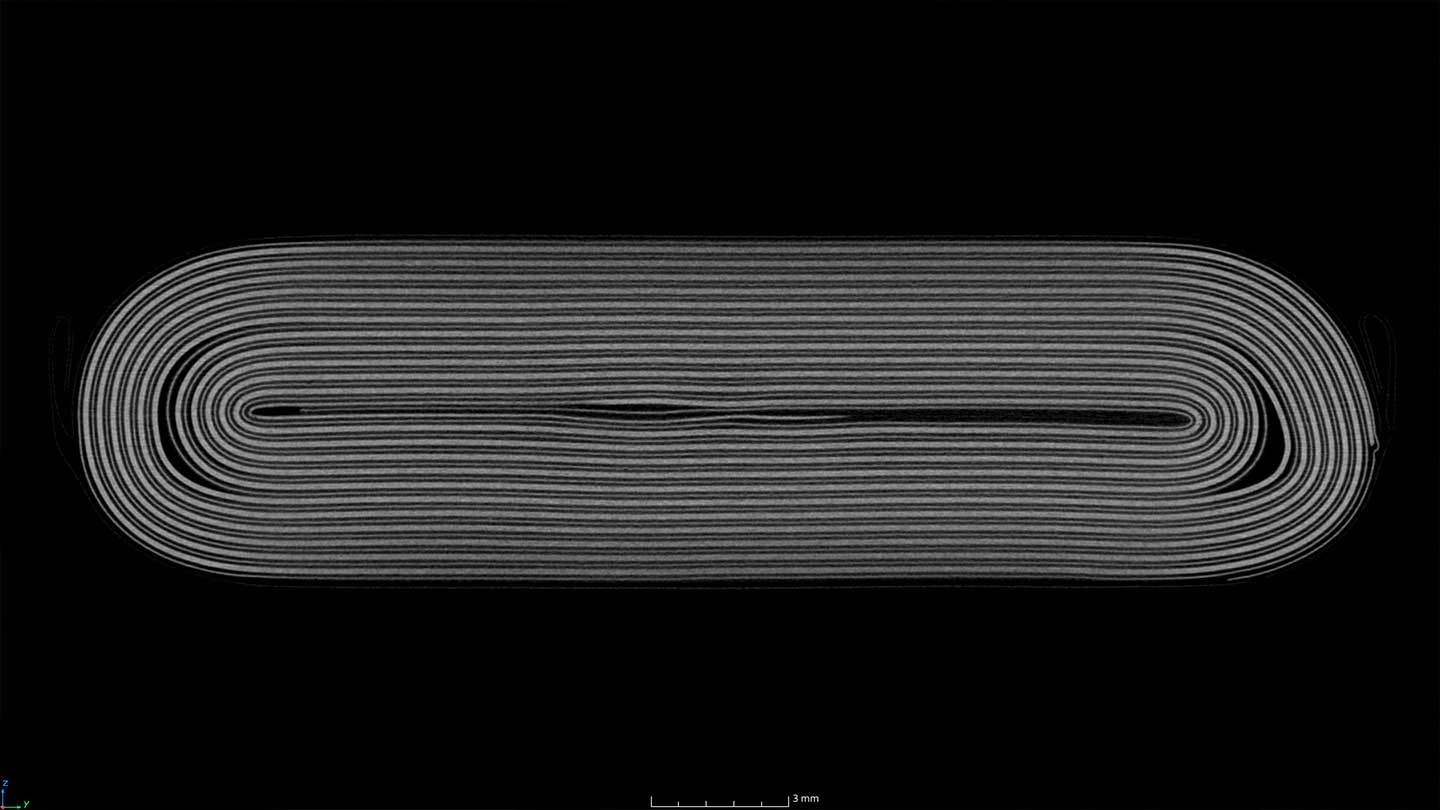
Electrode stacking inconsistencies can contribute to uneven current distribution, localized heating, or premature degradation. CT scanning allows precise visualization of layer positioning and alignment throughout the battery structure.

Separator Damage

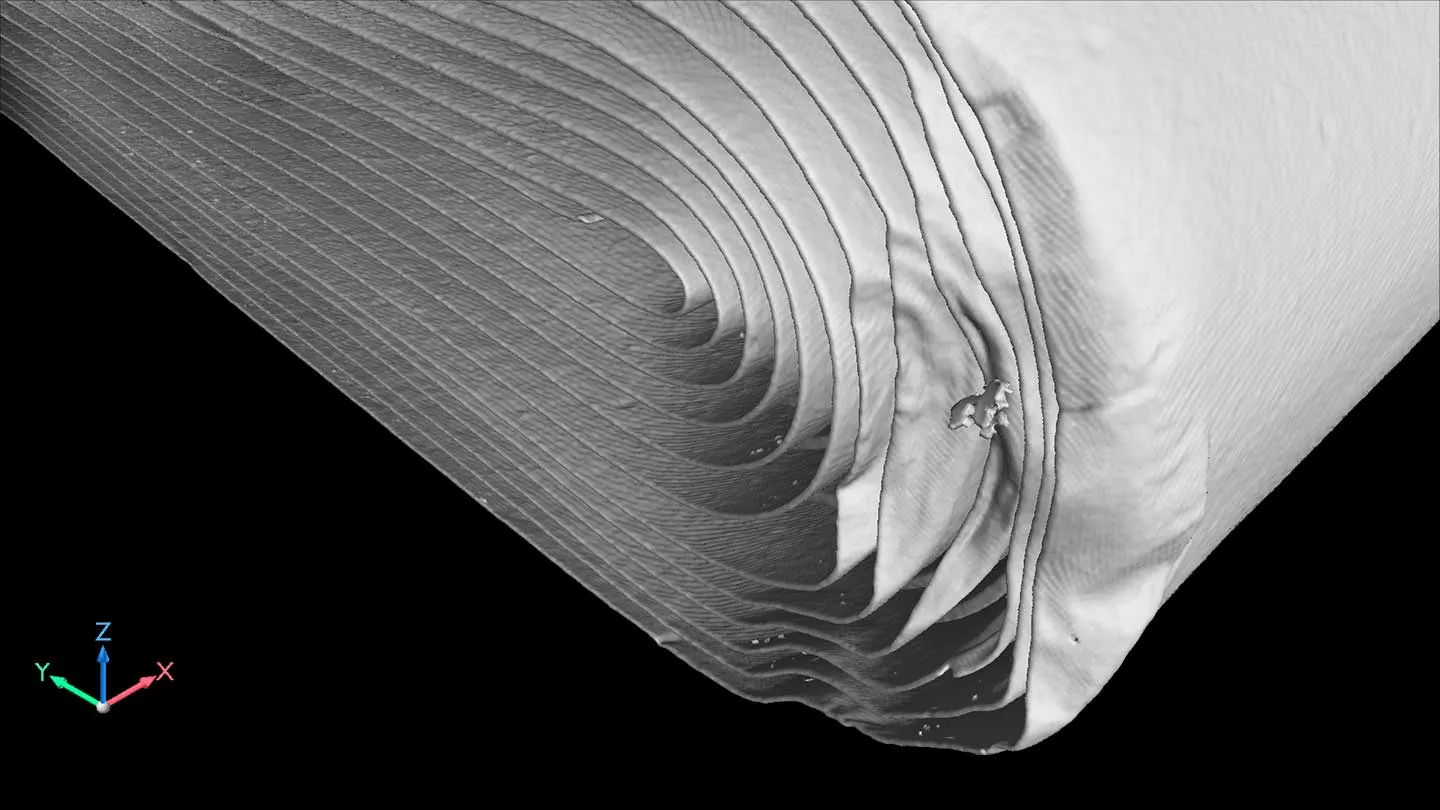
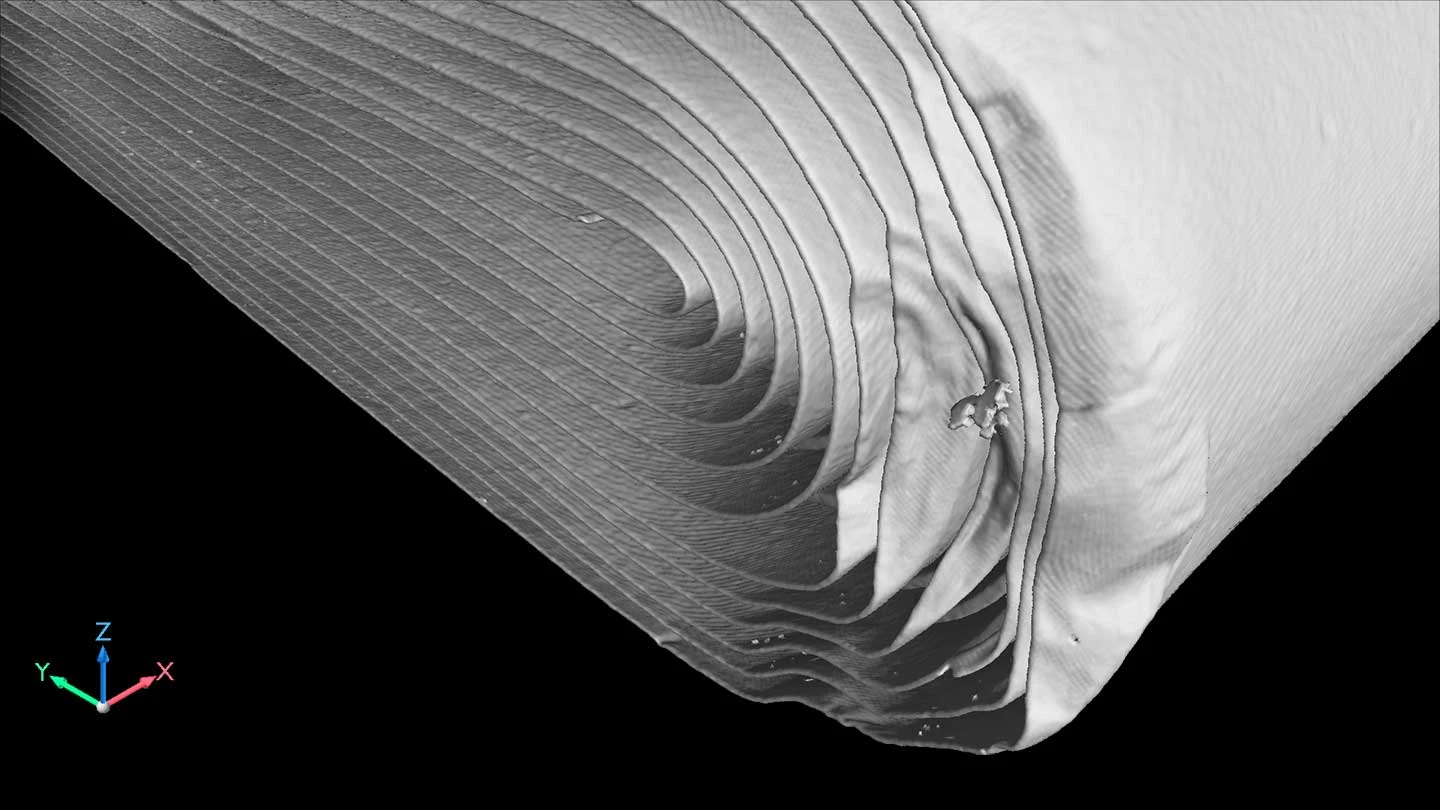
Crushed, folded, punctured, or compromised separators can create unstable internal conditions that increase the risk of short circuits or thermal runaway events.

These defects are often difficult to isolate through conventional inspection methods alone.

Swelling and Deformation

Mechanical deformation inside a battery can indicate internal gas generation, thermal stress, material degradation, or manufacturing inconsistencies.

Weld Defects and Interconnect Issues

Battery tabs, laser welds, ultrasonic welds, and interconnect structures can be inspected for:

  • Incomplete fusion
  • Cracking
  • Voids
  • Misalignment
  • Material inconsistencies
  • Fatigue damage
Foreign Material Contamination

Contamination introduced during manufacturing or assembly can create electrical instability and unpredictable field failures.

Thermal Event Investigation

Following overheating, venting, or catastrophic failure events, CT scanning can help identify collapse zones, structural deformation, internal displacement, and failure propagation patterns.

For engineering teams investigating field returns or validation failures, preserving internal evidence can be critical.

Support Emerging Battery Technologies with Greater Internal Visibility

Nel PreTech supports failure analysis and internal inspection for a wide range of battery chemistries and evolving energy storage technologies.
This includes:

  • Lithium-ion batteries
  • Solid-state batteries
  • Sodium-ion batteries
  • Nickel-metal hydride batteries
  • Nickel-cadmium batteries
  • Multi-cell hybrid architectures
  • Experimental and prototype battery systems
  • High-density energy storage assemblies
  • Advanced aerospace and defense battery systems

As battery technologies continue evolving toward higher energy density, faster charging cycles, lighter materials, and tighter packaging constraints, internal inspection becomes increasingly important.

Small inconsistencies can create outsized downstream problems once products enter real-world operating conditions.

When a Baby Monitor Stops Working: How CT Scans Uncovered Hidden Battery Damage

Get an RFQ

Improve Reliability, Safety, and Development

Battery systems are becoming more compact, more energy-dense, and more structurally complex.

That complexity extends beyond traditional lithium-ion designs. Emerging battery technologies often introduce new internal materials, layered structures, interfaces, and assembly methods that require advanced non-destructive analysis techniques to evaluate internal integrity accurately.

As energy density increases, so does the importance of understanding internal integrity.

Industrial CT scanning provides several advantages over traditional sectioning methods:
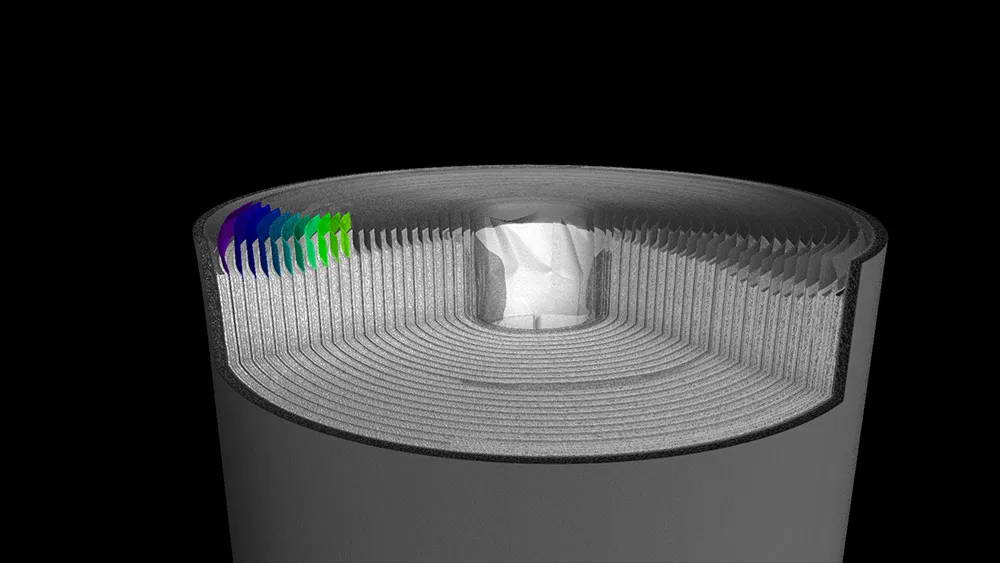
CT scan of Tesla battery
Preserve Critical Samples for Additional Testing

Preserve the component for additional testing, validation, or legal documentation.

Reveal Hidden Internal Structures

Inspect the entire internal structure instead of isolated cross sections.
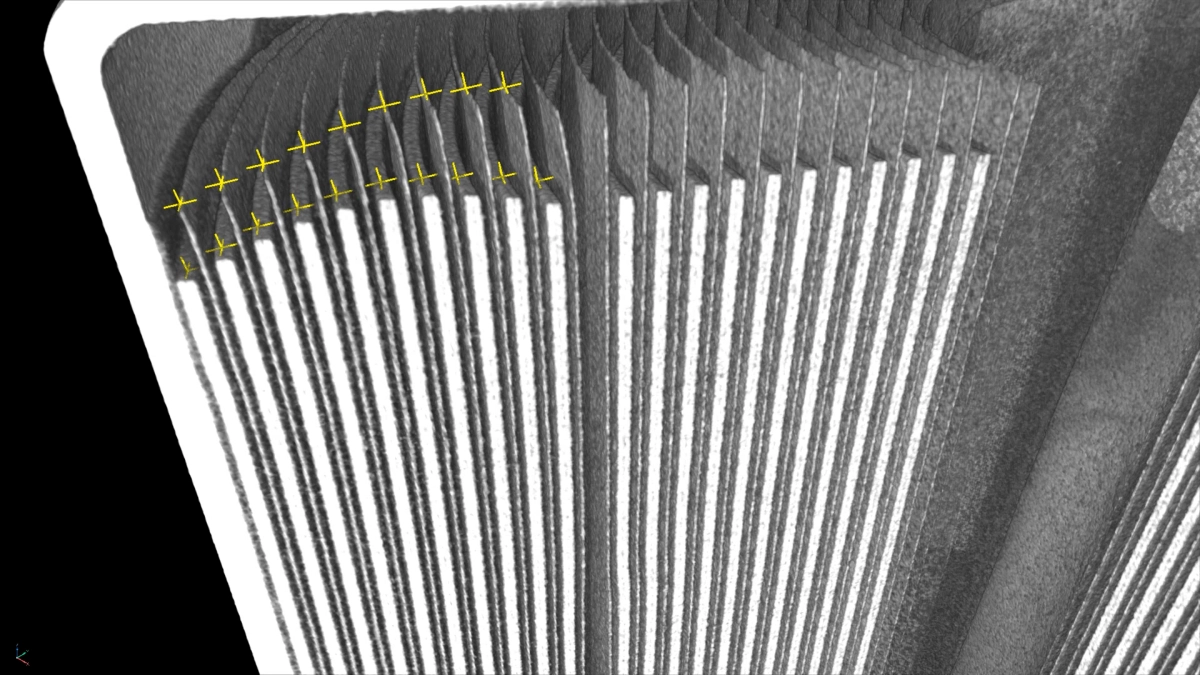
Accelerate Failure Investigations

Identify potential failure origins earlier in the investigation process.

Capture Detailed Internal Data

Capture precise internal geometry and structural conditions.
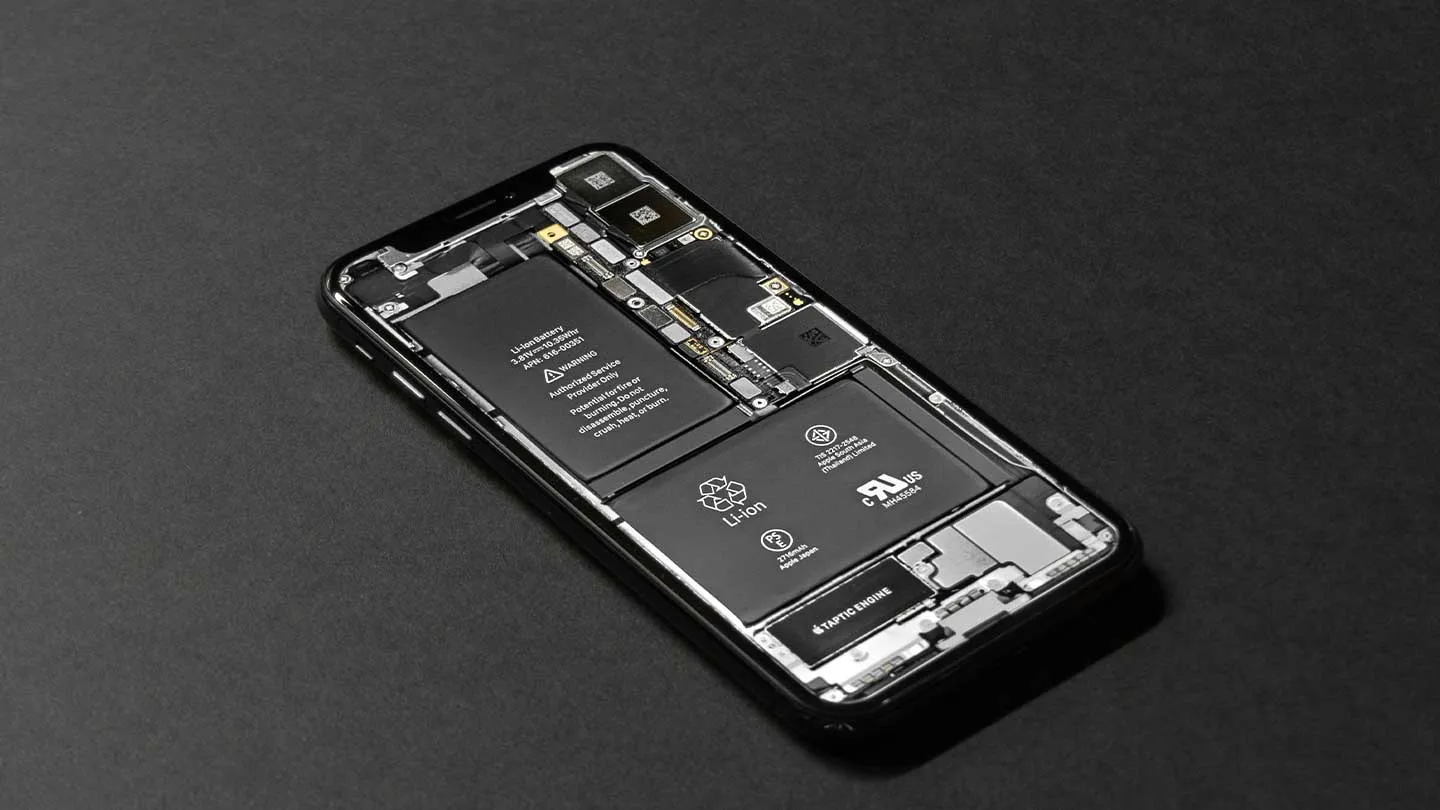
Inside of smartphone showing lithium-ion battery
Maintain Traceable Digital Inspection Records

Maintain permanent digital datasets for reporting, traceability, validation, and comparison.

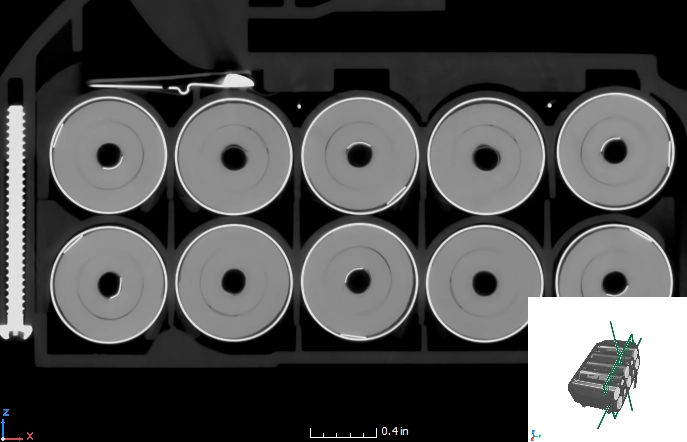
Battery pack CT scan image
Reduce Development and Validation Delays

Accelerate design improvements by identifying hidden manufacturing or assembly issues sooner.

Solve Battery Challenges Across Industries

Nel PreTech supports a wide range of industries and battery-related applications.

Electric Vehicle Battery Analysis

Evaluate battery cells, modules, and assemblies for:

  • Internal structural defects
  • Weld integrity
  • Swelling
  • Electrode alignment
  • Crash-related deformation
  • Thermal damage

Consumer Electronics Failure Analysis

Inspect compact electronic battery systems used in:

  • Earbuds
  • Smartphones
  • Tablets
  • Wearables
  • Portable electronics
  • Embedded rechargeable systems
Aerospace and Defense Components

Analyze mission-critical battery systems where reliability and internal integrity are essential.

Medical Device Battery Inspection

Inspect battery-powered medical devices and assemblies where internal defects may impact reliability, safety, or compliance.

Manufacturing Process Validation

Use CT scanning to validate production consistency, assembly quality, and manufacturing process improvements.

Turn Internal Battery Data Into Actionable Engineering Insight

Battery failure analysis requires more than surface-level imaging.
Analysis projects using high-resolution industrial CT scanning:

  • Porosity analysis
  • Dimensional inspection
  • Parametric modeling
  • Assembly verification
  • Reverse engineering support
  • Metrology-grade measurements
  • Root cause investigation
  • Wall thickness analysis
  • 3D color mapping
  • Defect characterization
  • Comparative analysis
  • Digital cross-sectioning
  • First article inspection support

Depending on project requirements, CT data can also support engineering reviews, supplier investigations, manufacturing validation, and design optimization initiatives.

Gain Deeper Insight with Advanced Industrial
CT Scanning

Nel PreTech utilizes advanced industrial CT scanning systems capable of capturing highly detailed volumetric data for complex components and assemblies.

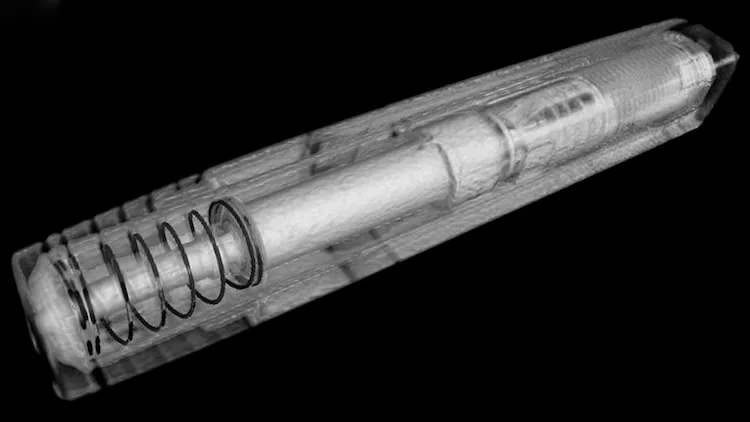
CT scan of Airpod battery

Our inspection technologies support:

  • High-resolution internal imaging
  • Complex geometry inspection
  • Dense material analysis
  • Multi-material assemblies
  • Precision metrology applications
  • Internal defect detection
  • Digital reconstruction and visualization

Detailed CT datasets help engineering and quality teams make faster decisions during product development, supplier validation, manufacturing investigations, and field-return analysis.

The goal is not simply to generate images.

The goal is to understand what the battery is actually doing internally before the next failure occurs.

Reduce Warranty Risk and Improve Long-Term Battery Performance

Battery failure analysis is not only about identifying defects after failure.
It is also about improving future reliability.

The data collected during CT analysis can help engineering teams:

  • Improve manufacturing processes
  • Reduce warranty claims
  • Validate supplier quality
  • Optimize assembly methods
  • Investigate field failures
  • Improve thermal management strategies
  • Reduce product recalls
  • Accelerate product development
  • Support regulatory documentation
  • Validate design revisions

Understanding internal conditions earlier in the product lifecycle can significantly reduce downstream risk.

Inspection Data Built for Engineering Decisions

Nel PreTech delivers advanced metrology and industrial CT scanning services for manufacturers that require deeper visibility into component performance and internal integrity.

Projects often require more than pass/fail inspection data. Accurate internal analysis can help engineering teams identify risk earlier, validate manufacturing quality, and improve long-term product performance.

Key advantages include:

  • Accredited quality systems
  • Advanced industrial CT scanning capabilities
  • Engineering-focused reporting
  • Precision metrology expertise
  • Experience with complex assemblies
  • Responsive project support
  • Non-destructive testing capabilities
  • Commitment to accurate, actionable data

From early-stage development to production failure investigations, Nel PreTech provides the inspection data engineers need to make informed decisions.

3D Scanning Services You Can Trust

3,000 +

Clients Served

30 +

Years in Business

2-3 Days

Avg Scan Turnaround

20,000 +

Dimensional Inspections

Accredited to ISO/IEC 17025 by A2LA, FFL Registered, ITAR Registered & Compliant. NPC offers the kind of quality management system clients can trust.

A2LA Scope & Cert
Industrial CT Scanning Expertise Across ALL Industries

Serving more than 3,000 clients in a diverse mix of industries.

Batteries

Non-destructive visualization for battery R&D, manufacturing, and recycling

Medical Devices

Luers, Drug Delivery, Medical Implants, Dental Hardware, Medical Connectors

Coordinate measuring machine
Aerospace & Defense

Manifolds, Pumps, Nozzles, Electronics, Fuel Chambers

Automotive

Electric Vehicles, Batteries, Farming & Mining Equipment, Recreational Vehicles, Marine

Consumer Products

Packaging, Disposable Cutlery, Sporting Goods, Tech Manufacturing

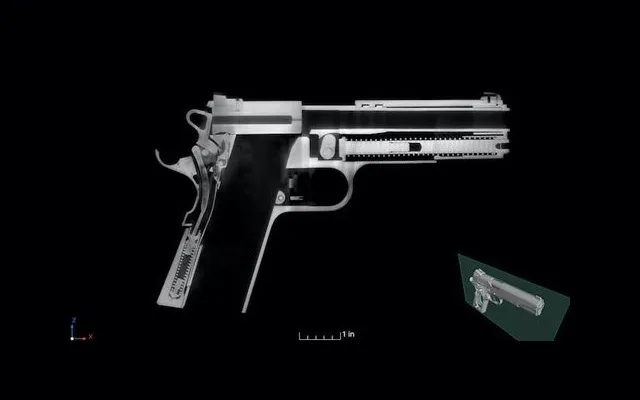
Firearms inspection. CT scanning for defense contractors. ITAR compliant
Defense

Firearms, Weapons Systems, Hypersonics, Ammunition, Military Components

Firearms Components Inspection

Firearms manufacturers, defense contractors, and component suppliers rely on absolute

Frequently Asked Questions

Why would a battery pass electrical testing but still fail in the field?

Electrical testing only measures performance at the time of testing.

Internal structural defects can still exist even when voltage, resistance, or charge performance appears acceptable. CT scanning can reveal hidden issues such as separator damage, electrode shifting, internal cracking, voids, weld inconsistencies, or contamination before those conditions progress into thermal events or premature failure.

Can CT scanning identify the source of battery swelling?

Yes, Swelling is often a symptom rather than the root cause itself. CT scanning can help identify internal deformation, gas generation regions, structural displacement, crushed layers, separator damage, or manufacturing inconsistencies contributing to expansion inside the cell.

For many engineering teams, understanding where deformation started is just as important as documenting the swelling itself.

What kinds of weld defects are commonly found in battery assemblies?

Battery failure investigations frequently uncover:

  • Incomplete weld fusion
  • Cracking
  • Internal porosity
  • Misalignment
  • Heat-affected inconsistencies
  • Fatigue-related damage
  • Weak interconnect regions

Even small weld inconsistencies can affect conductivity, heat generation, vibration resistance, and long-term durability.

Can industrial CT scanning help investigate thermal runaway events?

Yes. Following overheating or thermal runaway, CT scanning can help identify collapse zones, internal displacement, fracture patterns, venting pathways, and failure propagation throughout the battery structure.

In many cases, preserving the battery intact during analysis helps engineering teams retain evidence that would otherwise be lost during destructive teardown.

What causes internal battery misalignment?

Internal misalignment can develop during manufacturing, stacking, winding, assembly, handling, vibration exposure, or repeated charge-discharge cycling.

Even small positional shifts between internal layers can contribute to uneven current distribution, localized heating, accelerated degradation, or internal shorting conditions.

Can CT scanning detect defects inside sealed or encapsulated battery assemblies?

Yes, Industrial CT scanning is especially valuable for sealed, welded, potted, or encapsulated assemblies where destructive sectioning may damage critical evidence or make internal inspection difficult.

This is common in aerospace, medical, defense, EV, and consumer electronics applications.

When is destructive sectioning not enough for battery analysis?

Sectioning only reveals isolated slices of the battery.

Many failure modes are highly localized or develop across multiple internal regions. Once the battery is cut open, important spatial relationships and structural evidence may already be lost.

CT scanning allows engineers to inspect the entire internal structure before deciding whether destructive analysis is necessary.

Can CT scanning help compare failed batteries against known-good samples?

Yes, Comparative analysis is one of the most effective ways to identify subtle manufacturing variation, deformation, layer inconsistencies, weld differences, or structural anomalies that may contribute to field failures.

Digital datasets also make it easier to document findings across multiple production lots or supplier samples.

What battery applications commonly require CT-based failure analysis?

Battery failure analysis is commonly used for:

  • Electric vehicle batteries
  • Aerospace power systems
  • Defense electronics
  • Consumer electronics
  • Medical devices
  • Energy storage systems
  • Prototype battery development
  • Manufacturing validation
  • Supplier investigations
  • Field-return analysis

As battery architectures become more compact and energy dense, internal inspection becomes increasingly important during both development and production.

What is the biggest advantage of CT scanning during battery investigations?

The biggest advantage is visibility.

CT scanning helps engineering and quality teams see internal conditions that conventional inspection methods cannot access without destroying the sample.

That visibility often shortens root cause investigations, improves engineering decision-making, and helps prevent repeat failures.

Get an RFQAsk An Engineer

Case Studies

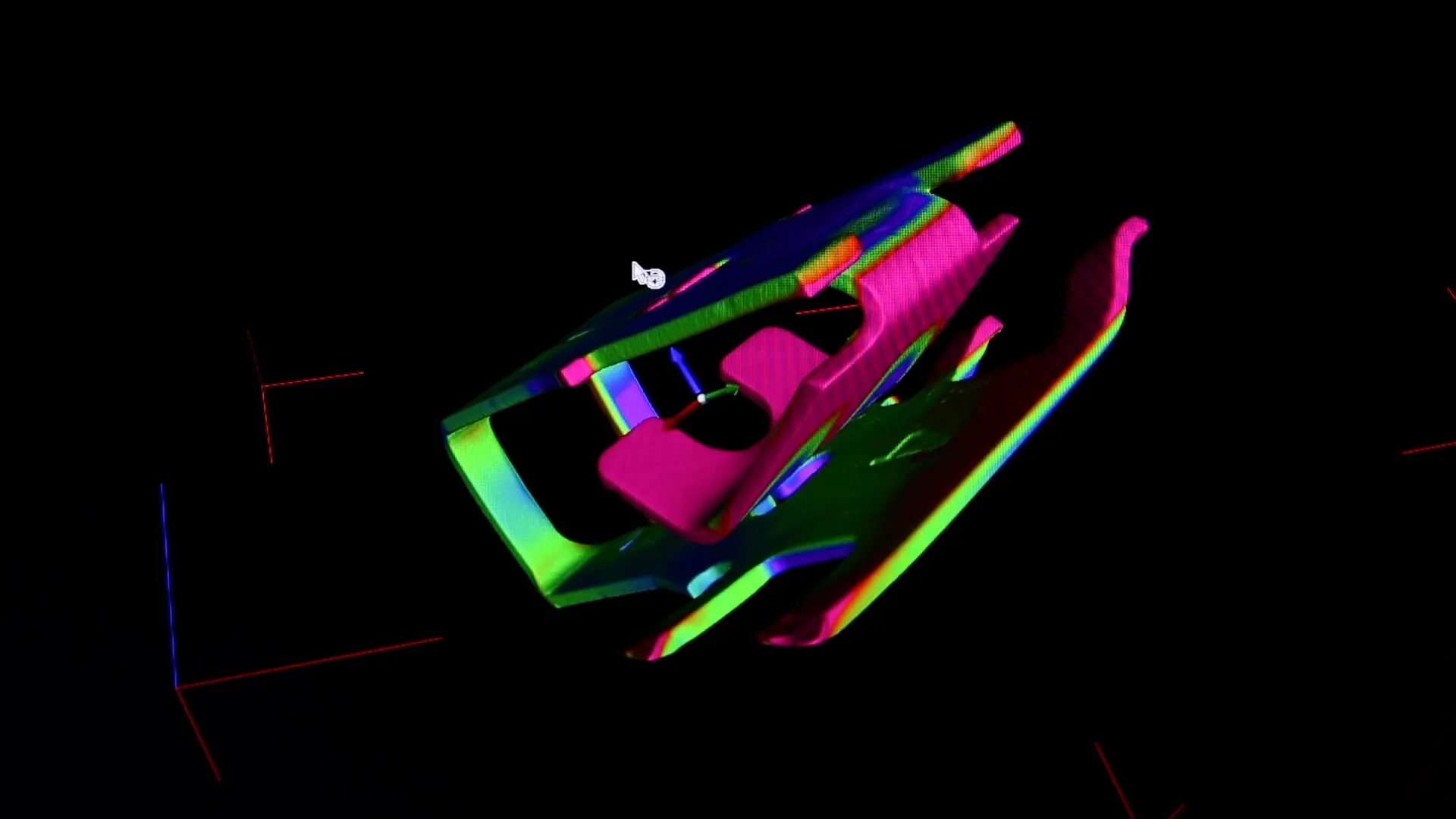
Colormap of CT scan data within VG software
Challenge:

A major consumer product company struggles to develop, approve, and launch multiple high-level cavitation molds for high-volume production & global distribution.

Solution:

Computed tomography and value-add services from Nel PreTech.

Results:

Client saves $1 million in direct cost and gains $60 million in cash flow four months sooner.
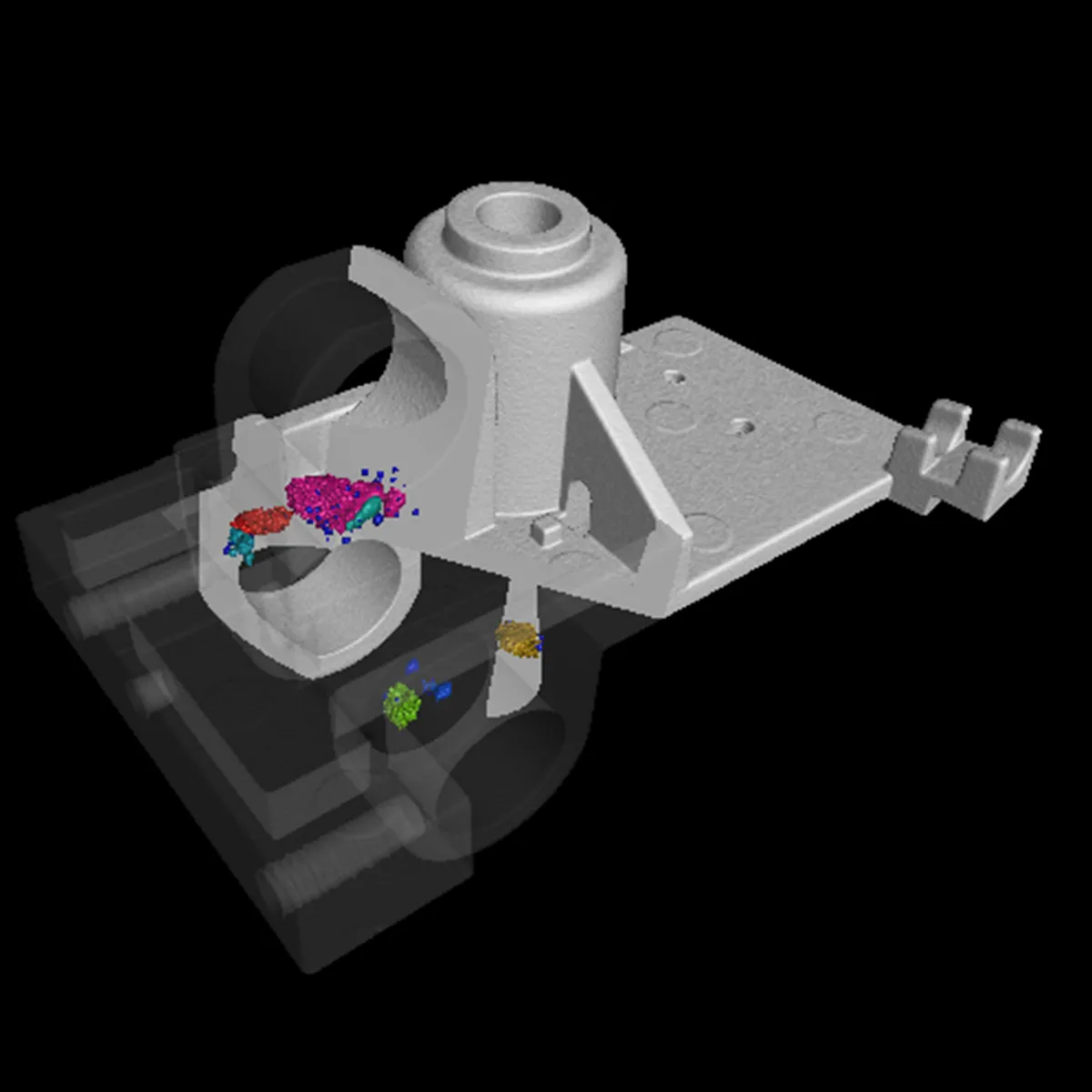
The Scoop: Product development & launch expedited with industrial CT scanning of new tooling.

View Full Case Study
Industrial CT scanning services allows analysis of hidden elements
Challenge:

Major grill manufacturer reaches out with malfunctioning glow plugs.

Solution:

Industrial CT scanning (x-ray material testing) provides digital 3D x-ray images of internal components of the glow plug & finds a wire break inside the heating device.

Results:

Client is able to investigate the root cause of the glow plug failure and fix the problem.
Grillers Rejoice: Pellet grills saved by industrial CT scanning.

Read Full Case Study
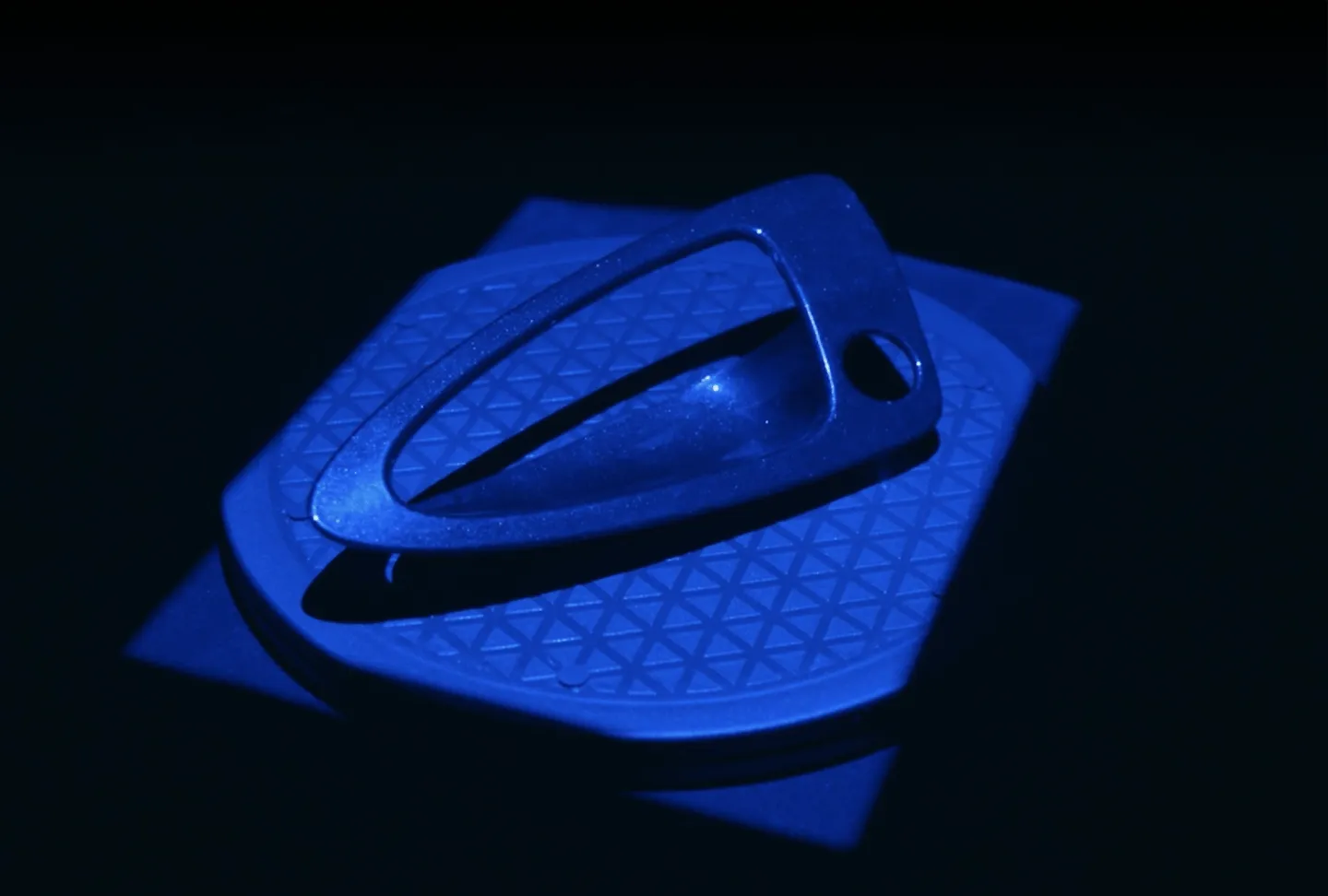
Blue light scan of an automotive door handle
Challenge:

Global OEM medical device company needs help developing and launching drug delivery pumps.

Solution:

CT scanning and value-add services create a turnkey solution to give the client a competitive advantage.

Results:

20 new tools in 20 weeks.

A Medical Miracle: Drug delivery pumps developed and launched in record time with 3D scanning services.

Read the full Case Study

Find Hidden Battery Problems Before They Escalate

When battery reliability, safety, or manufacturing consistency is at stake, hidden internal defects can become costly problems.

A defect missed during validation can become a warranty issue, supplier dispute, delayed launch, or field failure later.

Advanced industrial CT scanning and non-destructive battery analysis help manufacturers, engineers, and quality teams identify internal defects earlier, shorten investigation timelines, and make more confident engineering decisions.

Contact Nel PreTech today to discuss your battery analysis project, request a quote, or learn more about our industrial CT scanning capabilities.

Nel PreTech Corporation
Phone: (708) 429-4887
Website: www.nelpretech.com
Get More Out Of Your CT Scanning

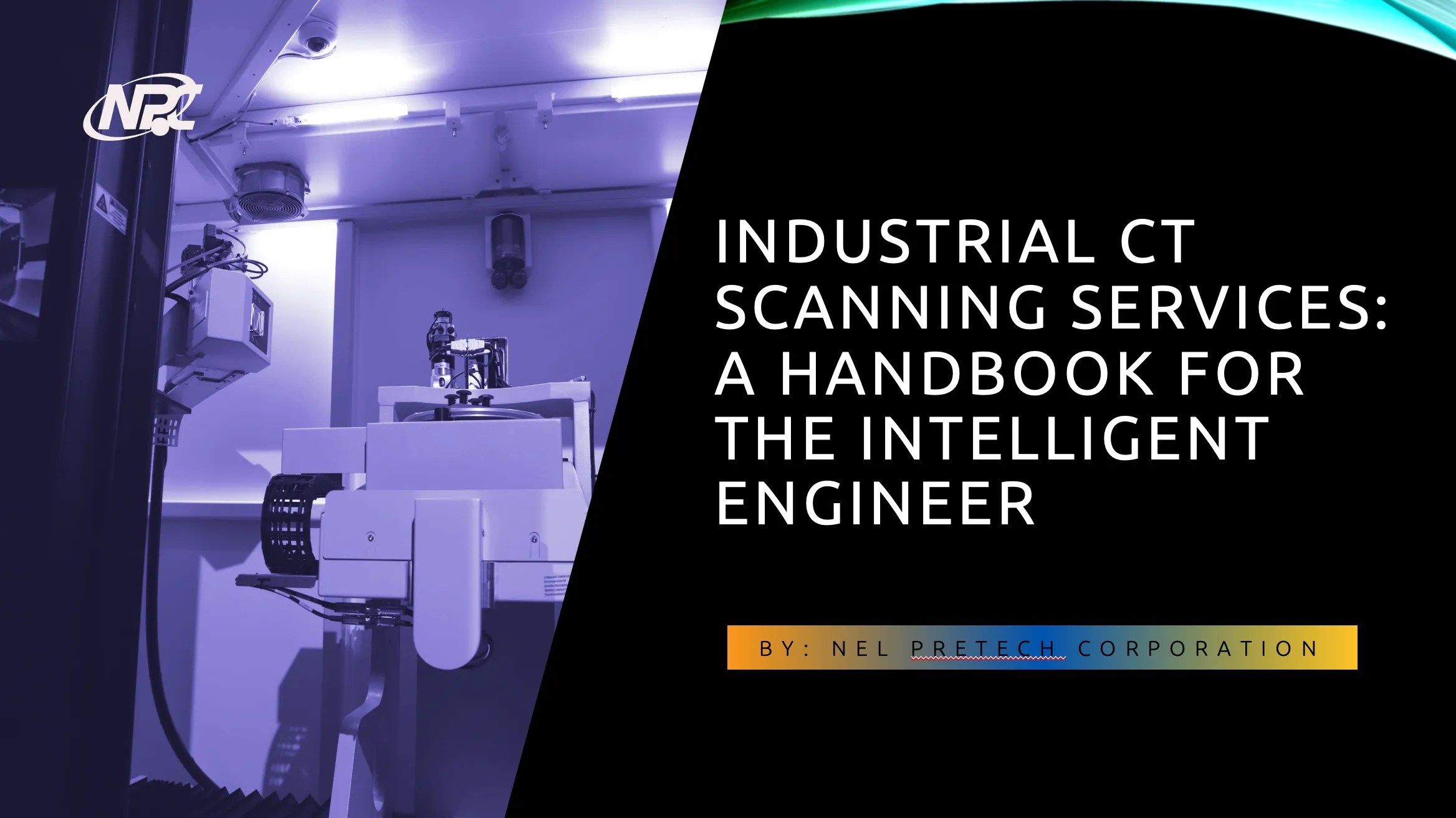
Download the ultimate CT Scanning Buyer's Guide to improve understanding, time, and efficiency in your scanning needs. Over 50 Pages of useful data and case studies.

Download Now